

EIP encourages employees to think creatively about routine tasks and processes to identify more efficient ways to conduct operations. Two recent projects from MIPS demonstrate how small changes can deliver significant improvements in productivity, efficiency, and sustainability.
Project #1:

Location:Gliwice, Poland
Functional or Operational Area: Reconditioning – Product Preparation
Objective: Improve efficiency of the product preparation and repair process
Result: Reduced repair time, eliminated unnecessary employee movement, improved ergonomics and workplace organization, and increased operational efficiency
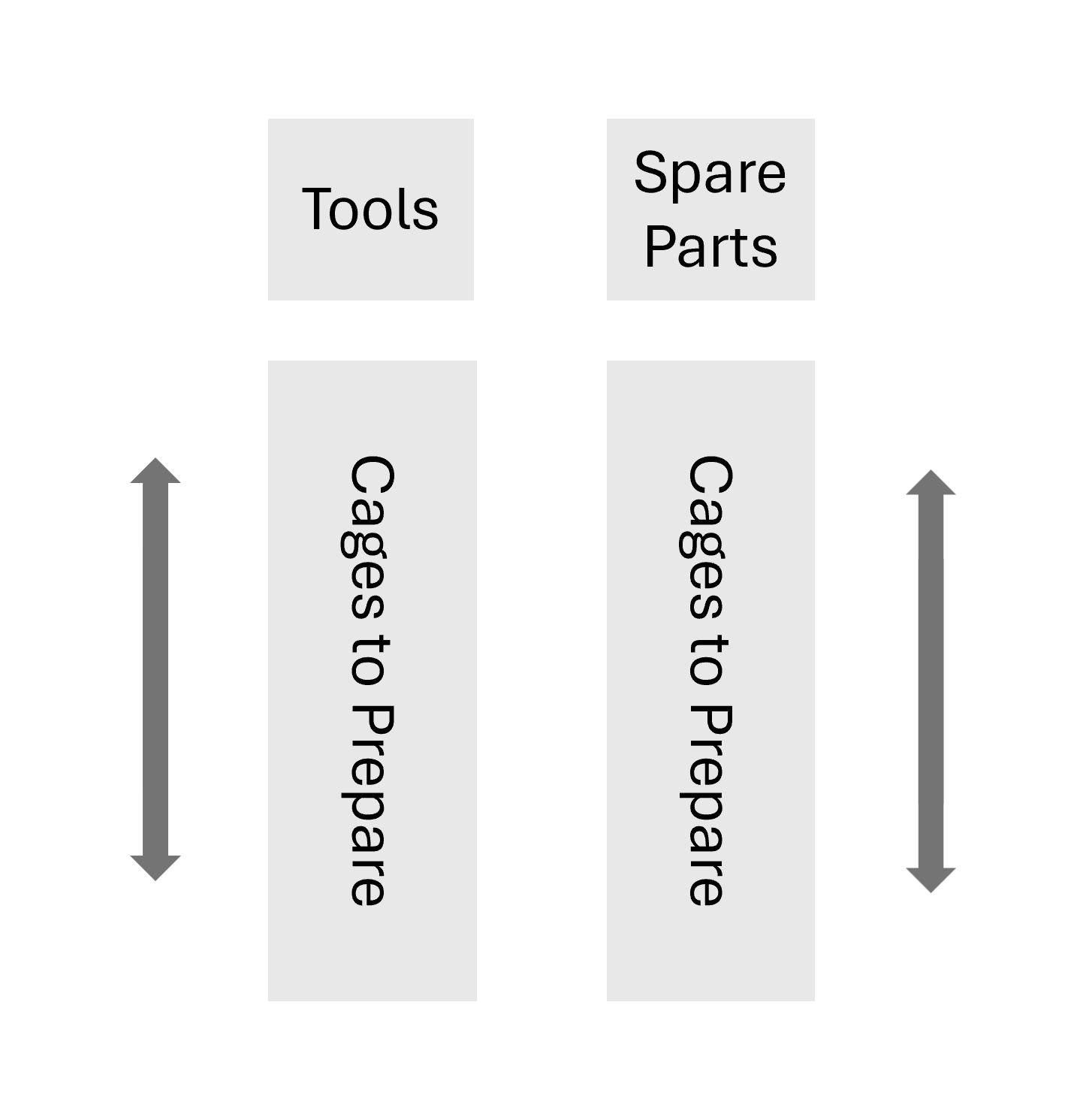
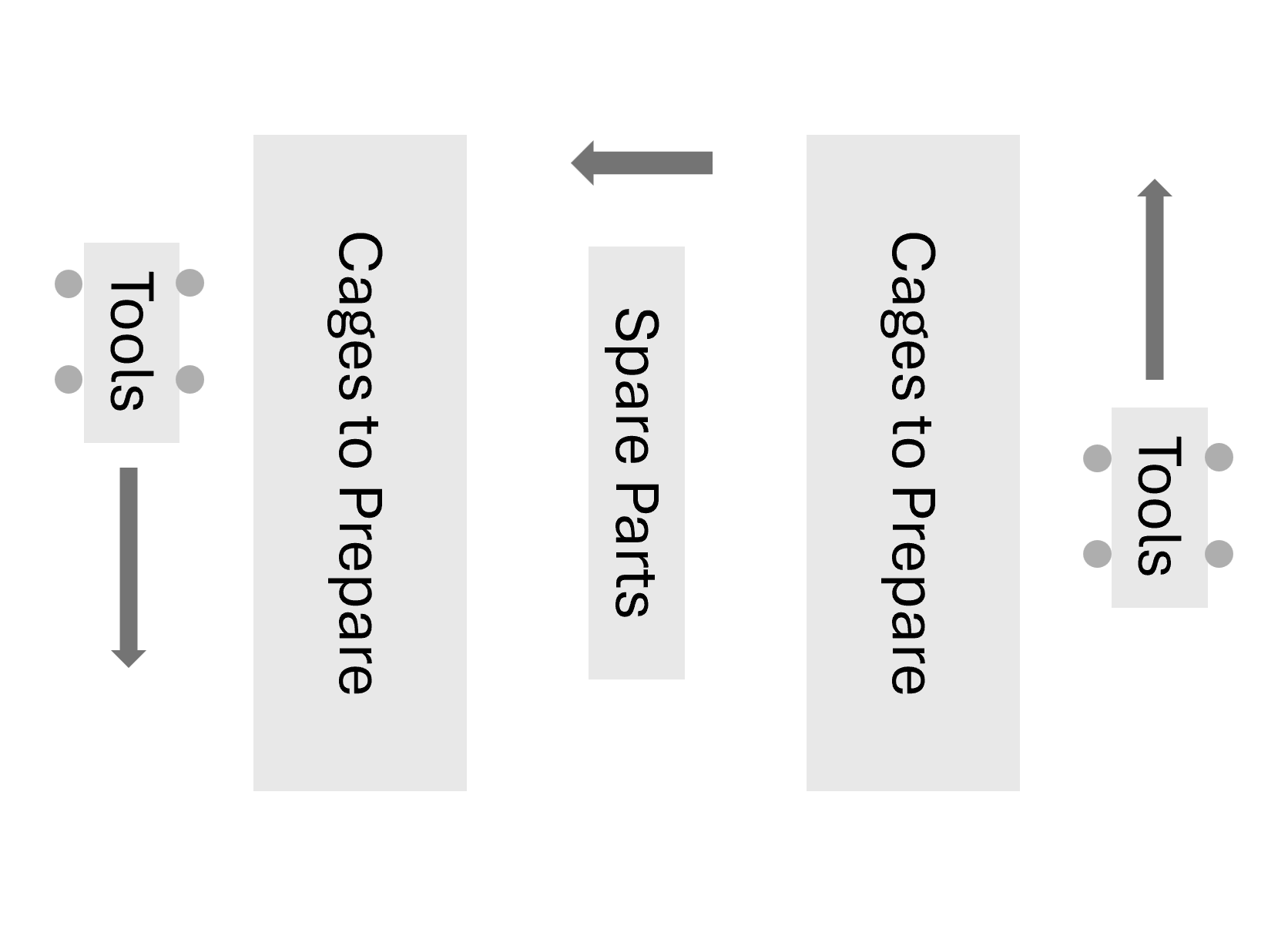
At the Gliwice, Poland facility, Patryk Gawenda (Production Supervisor) and Pavlo Vorobiov (Reconditioning Supervisor) implemented a project to optimize the workstation used to prepare IBC cages for rebottling.
Previously, employees had to walk between their work area and a separate location where tools and spare parts were stored. This unnecessary movement increased repair times and reduced overall productivity. To eliminate the inefficiency, the team reorganized the workstation and relocated essential tools and components closer to the repair area.
The improvement delivered several benefits, including reduced product preparation and repair time, better workplace organization, improved ergonomics, and increased process efficiency. As a result, the team doubled output from 70 cages to 140 cages per 8-hour shift without adding personnel.
Project #2:
Location: Littleborough, U.K.
Functional or Operational Area: Shipping
Objective: Reduce the number of box sizes used for medical product shipments
Result: Reduced box-size options from nine to two, improving packaging efficiency, simplifying purchasing and inventory management, and reducing packing errors.
At the Littleborough facility, Izabela Grabowska (Medical Department Manager) led a project to standardize packaging for the medical products line by reducing the number of box types used for shipping from nine to two.
Using nine different box sizes created excess inventory, increased storage requirements, added complexity to purchasing and production processes, and increased the likelihood of packing errors. By standardizing packaging, the team streamlined production and packing operations, improved inventory control, and enhanced overall efficiency.
The initiative is also expected to eliminate 16 truck shipments annually, supporting sustainability goals through reduced transportation requirements and lower environmental impact.
This project demonstrates how process simplification and standardization can generate meaningful cost savings while improving operational performance efficiency and reducing environmental impact.
Other recent notable MIPS EIP projects:
Guillaume Leduc & Frank Windels (Hordain – France) addressed the root cause of recurring breakdowns and chronic issues on the rebottling line by implementing more reliable operating processes. The improvements reduced production requirements to a single shift and allowed three operators to be reassigned to other tasks.
Patrick Ximba (Durban – South Africa) engaged with Mauser drivers to bring drum shunting operations in-house through a daily rotation schedule, eliminating the need for an external transportation provider for this task.
Yang Ming Dong (Singapore) led a project to install an AI-powered vision inspection system that examines 100% of seam chimes and automatically rejects defective drums, helping prevent product quality issues from reaching customers.
Raul Leiva (Belford Roxo – Brazil) converted a meeting room into a visual management centre featuring Production, Quality, Safety, and Logistics KPI dashboards. The space improves transparency, alignment across departments, and visibility into plant performance while supporting daily EIP engagement.
Peter Snepvangers (Oosterhout – Netherlands) identified and sourced an alternative grade of virgin plastic resin after the original material became more expensive and difficult to obtain. The change reduced material costs while strengthening supply chain flexibility.
Call to Action
At Mauser, continuous improvement is part of our culture. Since implementation, the Earning Improvement Program (EIP) has been crucial in maintaining our financial stability while enhancing safety, collaboration, efficiency, and sustainability.
Your involvement is essential at every stage of the EIP process, from idea generation to implementation.
We've seen significant value where EIP has been embraced, but there's still untapped potential. Submit your ideas and help implement them to drive Mauser forward. Together, we can make a significant impact.