

The Memphis, Tenn., Small Packaging Metals facility celebrated two major safety achievements in March, earned through years of sustained commitment. The site received the 2025 NASP President’s Award for Safety on March 24 and reached four years without a lost-time incident on March 30; milestones that highlight a strong, shared safety culture practiced every day.
Memphis Facility Manager Larry Cain credits the facility’s shift toward a safety-focused culture to a guiding philosophy of “Safety First, Quality Second, and Production Third.” Cain emphasized that the goal is to move beyond a strong safety record and build a great safety culture by encouraging greater employee involvement. “That cultural shift begins with leadership demonstrating that safety is the top priority,” he noted.
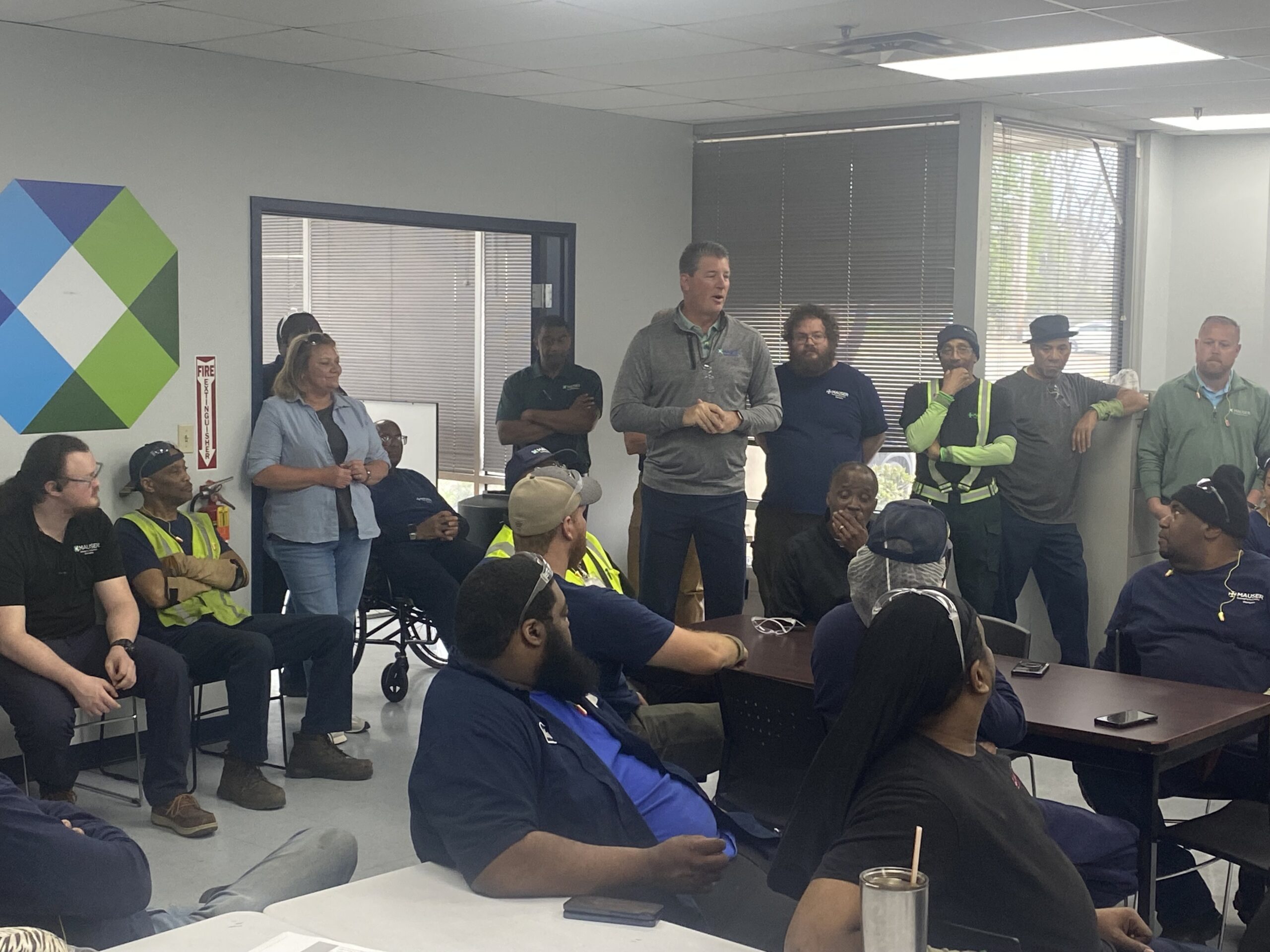
NASP President, Bob Bourque addresses employee while presenting the President's Award for Safety to the Memphis Facility
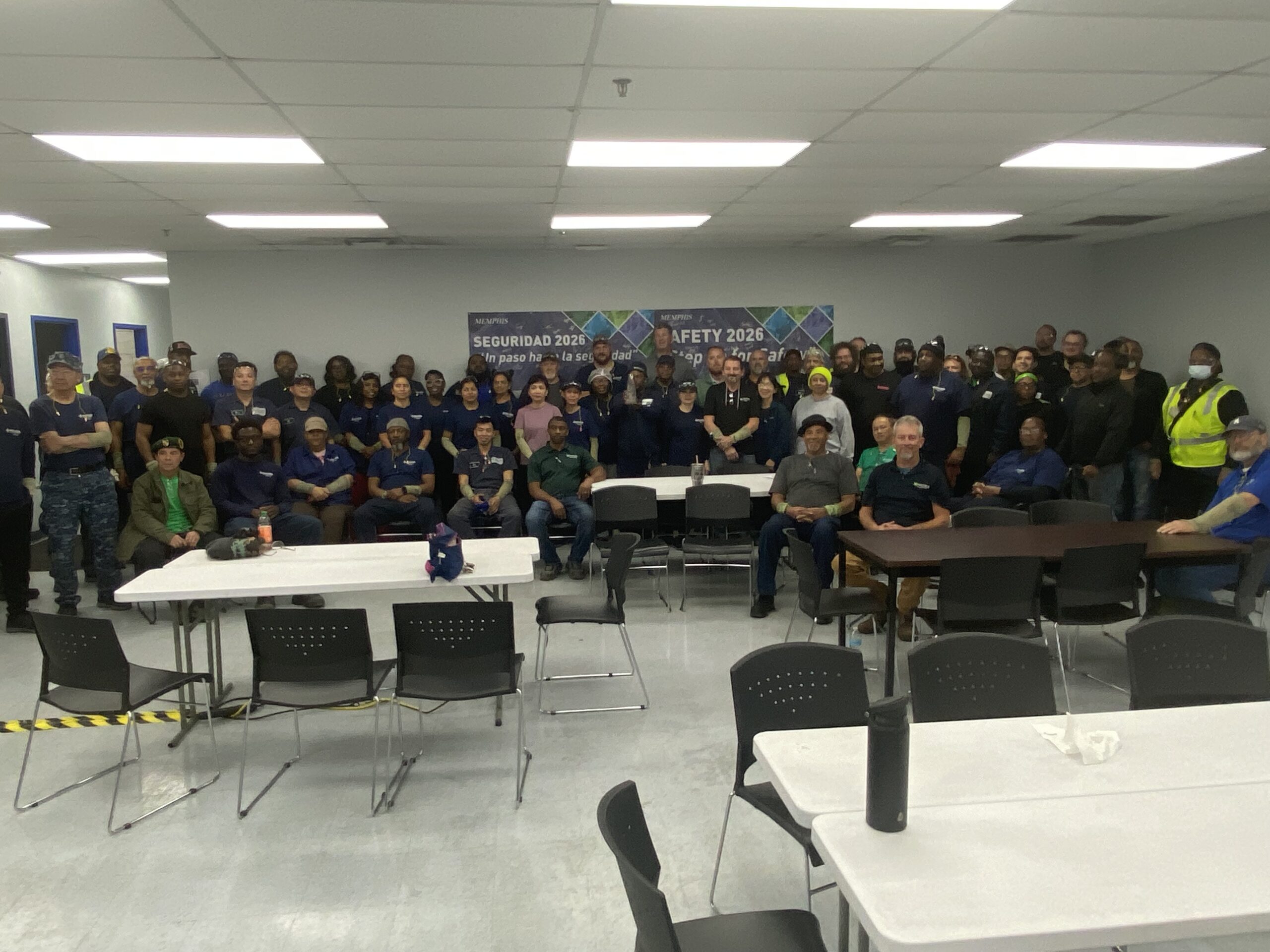
Memphis, Tenn. Employees
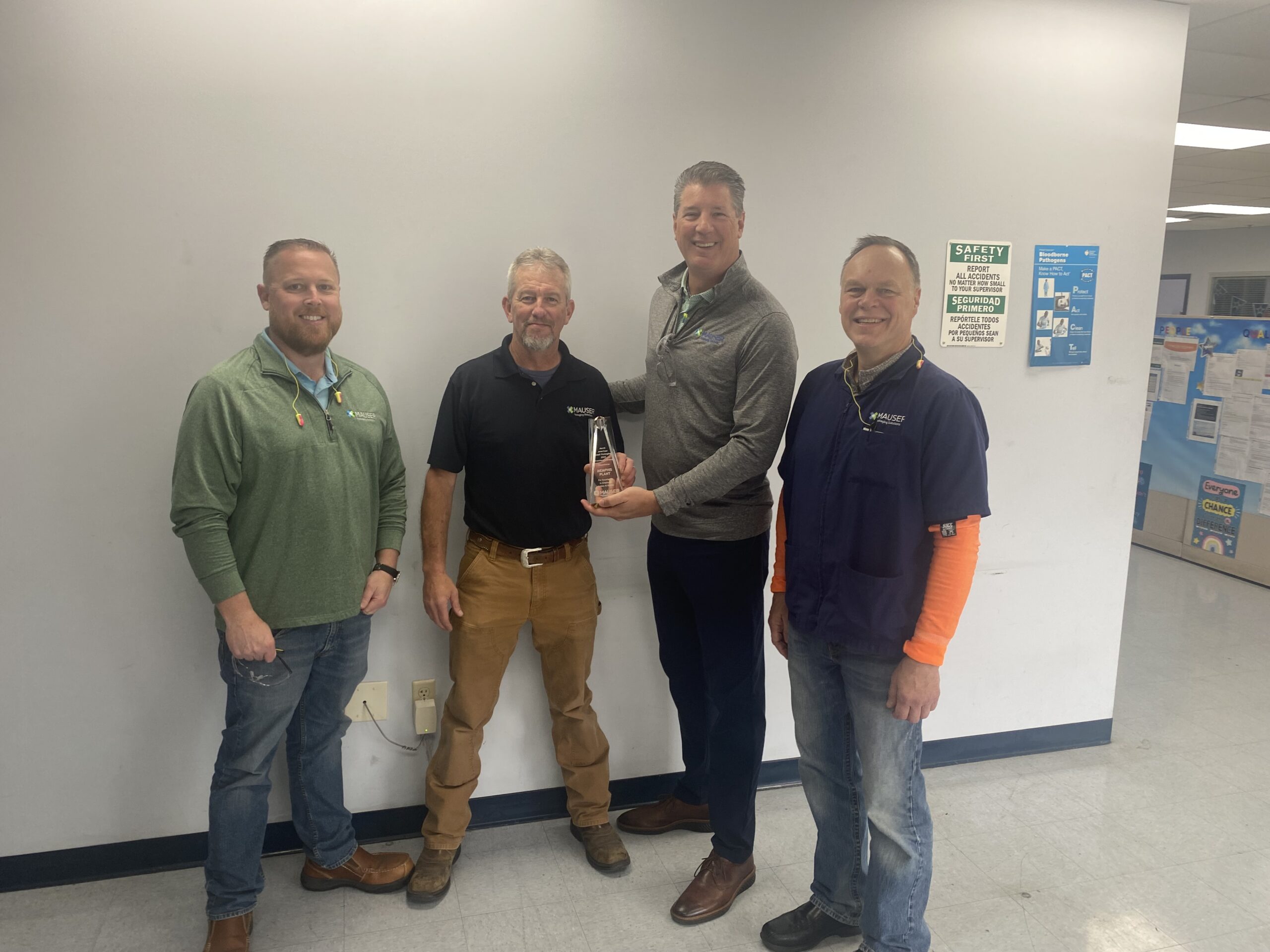
Bob Bourque, NASP President (center right) presents NASP President's Safety Award to Memphis Facility Manager, Larry Cain (center left) along with Bill Carroll, NASP Metals Vice President (left) and Dale Bandi, NASP Metals Director of Production Systems (right).
A significant driver of the facility’s shift has been a commitment to completing 30 safety improvements each month – triple the NASP Balanced Scorecard requirement. A heavy emphasis has been on machine guarding, eliminating trip hazards and ergonomics.
Led by Engineering Manager Ron Tucker, the Memphis engineering team is responsible for identifying safety gaps and fabricating machine-specific guarding tailored to each operation. Cain emphasized that in-house manufacturing and installation of guarding provides greater flexibility, removes reliance on third-party contractors, and allows for quick adjustments when improvements are needed.
Trip hazards are another key focus of the facility’s safety improvement efforts. “We are working to instill a mindset where everyone is actively looking for potential hazards,” Cain said. While some trip hazard solutions are quick and easy to address, others require more planning and strategic execution. One major 2026 initiative has been relocating all floor-based fans to overhead installations. As this project nears completion, the facility will continue to evaluate the fans’ effectiveness as summer temperatures increase and make adjustments as needed to keep employees as comfortable as possible.
From an ergonomics standpoint, the facility is proactive in identifying ways to reduce the physical demands of daily tasks on employees. Recently, maintenance employees Abe Moreno and Beto Balderrama were recognized through the Mauser Employee Award Program for designing a custom paste mixer that eliminated the manual effort previously required for mixing paste. The mixer, designed on a pole and fabricated in house, has already drawn broader interest. The concept was shared with the Garland, Texas facility, and a similar mixer is now being built in Memphis for installation in Garland.
Guarding Improvement Examples
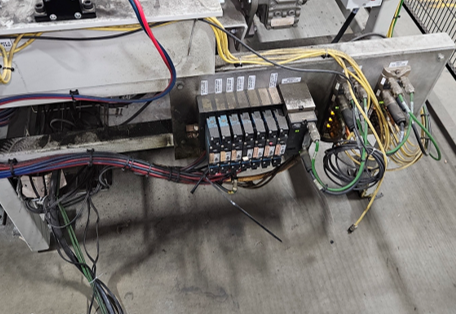
Before: Electrical Panel
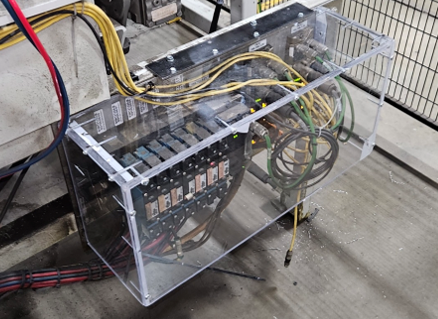
After: Electrical Panel
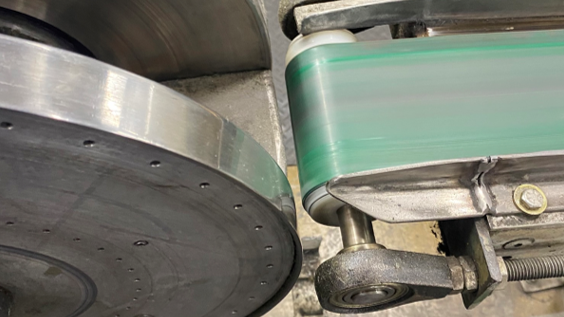
Before: Pinch Hazard
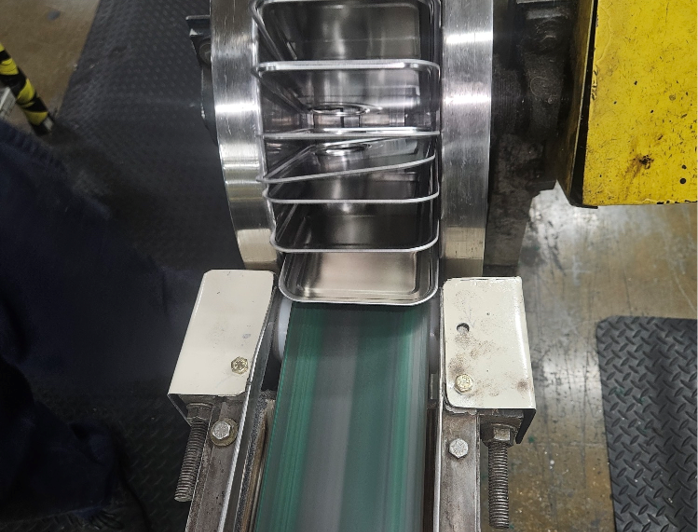
After: Pinch Hazard
Fan Relocation
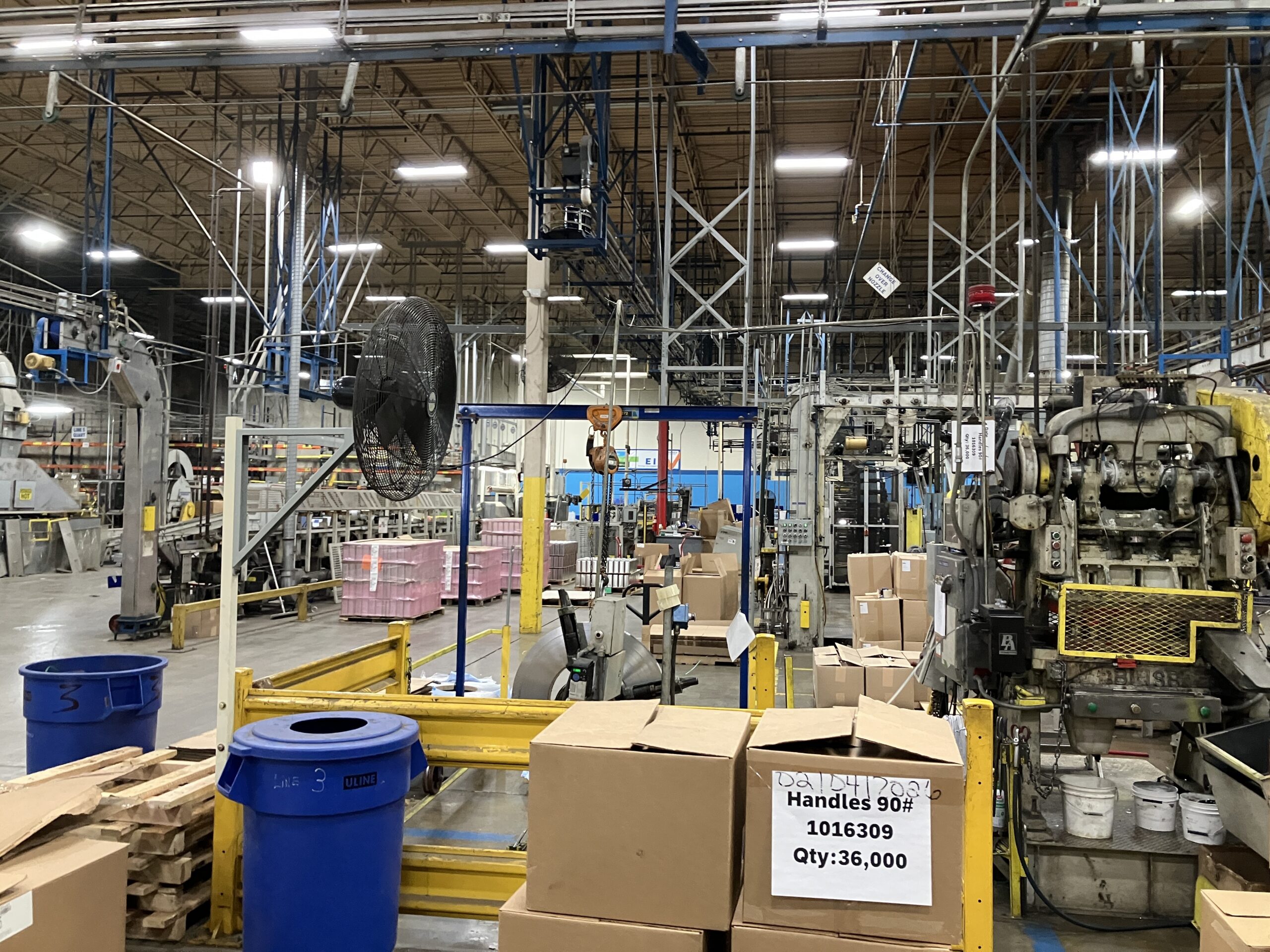
Example of relocated fan
Mauser Employee Award Program Recipients

Memphis Engineering Manager, Ron Tucker (right) presents Mauser Employee Award Program rewards to maintenance employees Beto Balderrama (left) and Abe Moreno (center).
Ideas for safety improvement come from a variety of sources including GEMBA walks, audits, and near miss investigations. Initially, most project leads came from the engineering team, but efforts have been made to empower employees to identify areas of potential improvement on their own. One useful tool the facility implemented is maintainer led lock out, tag out audits. During these audits, a maintainer is tasked with observing and auditing the lock out, tag out procedures of another maintainer. These audits not only identify gaps in safety for the employee being audited but reinforces correct procedure for the individual conducting the audit.
“The best improvement submissions are the ones that come in already complete,” commented Rudy Brown, Memphis EHS Manager as he reflected on the shift toward more ownership for safety across all areas of the facility. “Instead of always bringing problems to Safety or Engineering, we are starting to see more employees working with each other or their supervisor to implement improvements themselves where they are able.”
Cain and Brown both believe maintaining 30 safety improvements a month is possible for the facility. “There is always more to do and you can never become complacent. Just because something hasn’t happened in a while doesn’t mean it won’t happen today or tomorrow if we lose focus. The types of improvements and their complexity might change but there will always be ways we can improve safety,” commented Cain. Brown noted that Memphis is not necessarily doing more than other facilities – they are just being diligent in recording and tracking what is being done which also helps identify recurring issues that may require a more substantive correction.
“Being in the first group of recipients for the NASP President’s Award for Safety is a big operational win for this facility and reflects the effort being made each and every day to ensure employees stay safe while at work.”